beyond pollution. We
work to win cleaner air
and water, affordable
energy, and good jobs
for all.
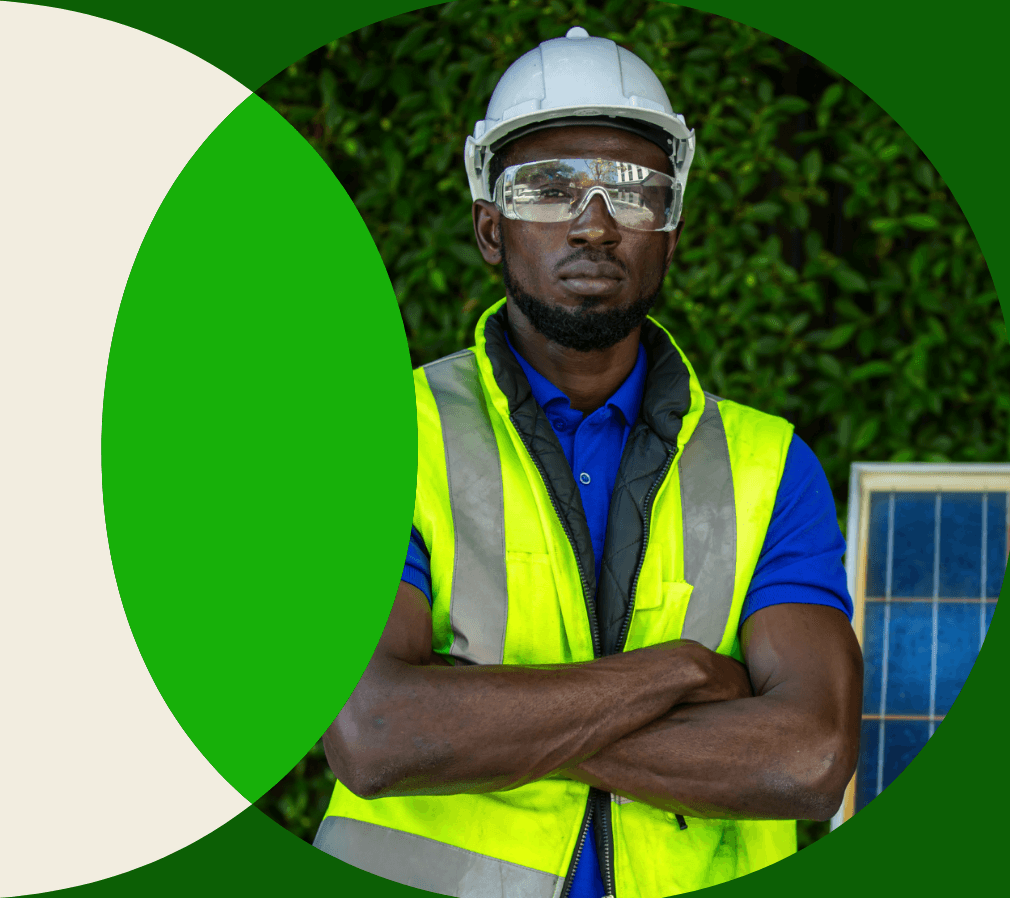

With more exposure to pollution and storms, and less investment in their infrastructure, communities of color are uniquely impacted by climate change and pollution. But they are also less likely to be a part of the solutions. This is a missed opportunity as we believe there is untapped genius in these communities to create a green economy that can halt climate change while creating more pathways into lucrative jobs in a growing sector. Through our work with leaders at the federal, state, and local level, we are changing this by supporting transformative policies that will mean cleaner, healthier communities. And by making climate equity a priority, we are making sure that clean energy and climate investments actually go to the communities most impacted by poverty and pollution. Our solutions focus on how people and communities of color will benefit from the green economy.
Black and Brown communities are most severely impacted by climate change and yet are rarely included in the creation of solutions. By bringing these communities into the conversation and making changes to the structural barriers keeping them out, we find equitable solutions to create a more inclusive green economy. That’s why we launched the Clean Energy Scholarship program to help more individuals – particularly those in communities of color – take a first step towards a green future, whether it’s getting an education or launching a business. And through our Dream.Org Business Council, we are ensuring Black and Brown entrepreneurs and innovators are at the forefront of the green transition by lifting up breakthrough ideas and technologies.
Building on the Green For All Clean Energy Scholarship Program, the Dream.Org Business Council Fellowship Program takes investing in diverse talent a step further by providing a full year of experience in a green job.
With the historic passage of the Bipartisan Infrastructure Law and the Inflation Reduction Act (IRA), there are now billions of dollars available for the green economy. This is an opportunity to ensure these essential government funds are going to the communities that need them most. Through local advocacy and in coordination with our state and federal policy efforts, we work with geographically and politically diverse disadvantaged communities to position them to compete for federal investments by providing planning and technical assistance support.
No one knows what a community needs better than the community itself. That's why Dream.Org is launching our Transformative Communities initiative. We're engaging with 10 priority communities to help unlock federal climate dollars that meet their unique needs. This year we’ll be in: Fresno, CA; Washington D.C.; Denver, CO; Miami-Dade, FL; Detroit, MI; Las Vegas, NV; Riverside + San Bernardino, CA; Lumbee River, NC; Savannah, GA; Richmond, CA.
Are you part of a community-based organization interested in our local work? Sign up to receive The Green Spotlight - a newsletter aimed at providing local groups with grant opportunities, technical assistance resources, and climate project success stories.
Through empathy-based communications and storytelling, we amplify the voices of people in the climate movement to impact change. We work with the best and brightest — from neighborhood activists to national organizations, Hip Hop artists to clergy, elected officials to business leaders and civil rights advocates – to build a sustainable future for all. We work with conservative and liberals alike to advance common-ground climate solutions that put us on a path forward to mitigate the impacts of climate change and uplift communities across the nation.